Press Safety, Controls & Safeguarding
Stop-Time Measurements & Safety Distance Verification
Measure stopping performance and establish safeguarding distance
Safeguarding devices such as light curtains and safety scanners must be positioned far enough from the hazard for the machine to stop before an operator can reach the danger zone. PowerSafe provides calibrated stop-time measurement and safety-distance verification to establish machine-specific stopping performance, calculate the required safeguarding distance, and verify the installed or proposed device location.
This service helps remove assumptions from safeguarding design by using actual machine response data under representative operating conditions.
Key Features
- Calibrated stop-time measurement – Measure actual machine stopping performance using calibrated test equipment rather than estimates or manual timing.
- Machine-specific testing – Capture stopping performance on the actual machine, tooling, controls, and safeguarding configuration.
- Repeatable stop testing – Perform multiple stop events to establish a consistent and reliable stopping-time baseline.
- Safety-distance verification – Use measured stopping performance to evaluate whether light curtains and other presence-sensing safeguards are positioned at an appropriate distance from the hazard.
- Complete safety-system response – Evaluate stopping performance from initiation of the safety function through the machine reaching the required safe condition.
- Production-condition testing – Test equipment under representative operating conditions to better reflect actual machine performance.
- Safeguarding device evaluation – Verify applications involving light curtains, safety scanners, and other presence-sensing devices where stopping performance affects device placement.
- Worst-case condition review – Consider tooling, operating conditions, machine loading, and other factors that may influence stopping performance.
- Documented test results – Provide recorded measurements, safety-distance calculations, observations, and recommendations for future reference.
- Corrective recommendations – Identify where safeguarding locations or machine performance may require adjustment before final verification.
- Applicable standards review – Evaluate results in relation to applicable OSHA requirements and ANSI machine-safety standards.
- Integration with press safety upgrades – Stop-time testing can support new light curtains, press controls, guarding modifications, and broader press-safety retrofit projects.
Stop-Time Measurements & Safety Distance Verification
Measure stopping performance and establish safeguarding distance
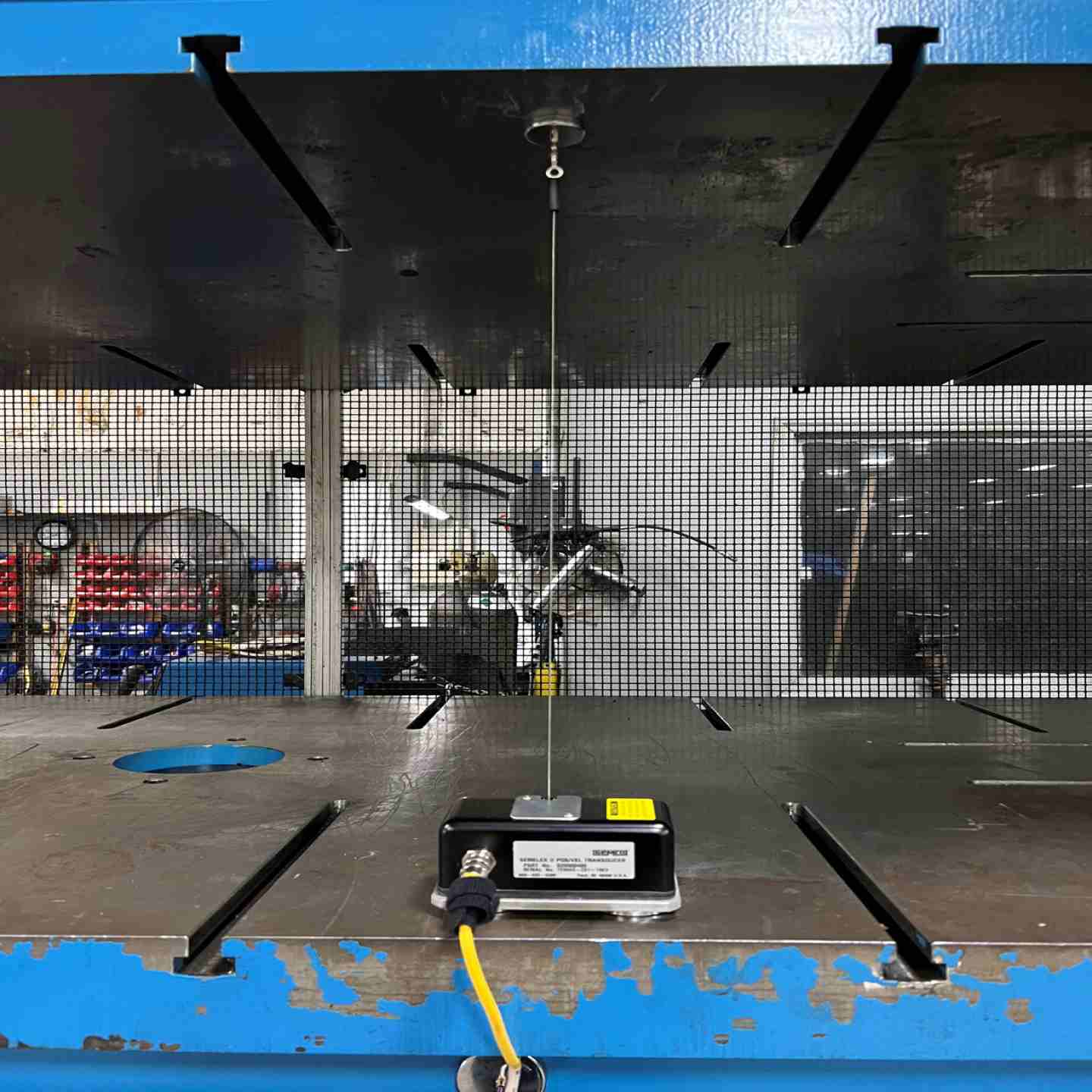
Safeguarding devices such as light curtains and safety scanners must be positioned far enough from the hazard for the machine to stop before an operator can reach the danger zone. PowerSafe provides calibrated stop-time measurement and safety-distance verification to establish machine-specific stopping performance, calculate the required safeguarding distance, and verify the installed or proposed device location.
This service helps remove assumptions from safeguarding design by using actual machine response data under representative operating conditions.
Key Features
- Calibrated stop-time measurement – Measure actual machine stopping performance using calibrated test equipment rather than estimates or manual timing.
- Machine-specific testing – Capture stopping performance on the actual machine, tooling, controls, and safeguarding configuration.
- Repeatable stop testing – Perform multiple stop events to establish a consistent and reliable stopping-time baseline.
- Safety-distance verification – Use measured stopping performance to evaluate whether light curtains and other presence-sensing safeguards are positioned at an appropriate distance from the hazard.
- Complete safety-system response – Evaluate stopping performance from initiation of the safety function through the machine reaching the required safe condition.
- Production-condition testing – Test equipment under representative operating conditions to better reflect actual machine performance.
- Safeguarding device evaluation – Verify applications involving light curtains, safety scanners, and other presence-sensing devices where stopping performance affects device placement.
- Worst-case condition review – Consider tooling, operating conditions, machine loading, and other factors that may influence stopping performance.
- Documented test results – Provide recorded measurements, safety-distance calculations, observations, and recommendations for future reference.
- Corrective recommendations – Identify where safeguarding locations or machine performance may require adjustment before final verification.
- Applicable standards review – Evaluate results in relation to applicable OSHA requirements and ANSI machine-safety standards.
- Integration with press safety upgrades – Stop-time testing can support new light curtains, press controls, guarding modifications, and broader press-safety retrofit projects.
What the Service Includes
Stop-time measurement provides the machine-specific performance data needed to establish and verify safeguarding distance.
A typical assessment can include:
- Review of the machine and existing safeguarding
- Identification of the safety device or safety function being evaluated
- Review of machine operating conditions and tooling
- Calibrated stop-time testing
- Multiple stopping-time measurements
- Evaluation of the complete stopping response
- Safety-distance calculations
- Measurement of existing safeguarding locations
- Comparison of calculated distance to the existing installation
- Documentation of test results
- Recommendations where changes are required
Typical Applications
Stop-time measurement and safety-distance verification can be used for applications involving:
- Mechanical power presses
- Hydraulic presses
- Press brakes
- Light curtain safeguarding
- Safety laser scanners
- Presence-sensing devices
- Two-hand control applications where stopping performance is relevant
- Machine safety retrofits
- Existing safeguarding verification
- New safeguarding installations
- Press control upgrades
Safety-Distance Verification
A presence-sensing device does not protect an operator simply because the machine stops when the device is interrupted.
The safeguard must also be positioned far enough from the hazard for the safety system to respond and hazardous motion to reach the required safe condition before a person can reach the hazard.
PowerSafe uses measured machine stopping performance as an input when evaluating the required safeguarding distance rather than relying solely on assumed or published response times. Your light-curtain guidance similarly notes that total stopping performance includes the response of the protective device, safety logic, outputs, machine response, and final stopping of the hazard.