
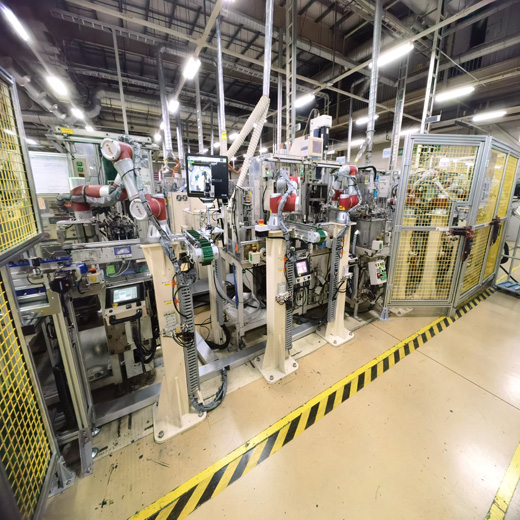
Whether you're working with metal, wood, plastics, or composites, getting sanding and finishing right can mean the difference between:
- A product that looks acceptable
- And one that feels premium and performs consistently
This guide breaks down the what, why, how, and when of sanding and finishing—with a practical, engineering-first approach.
What Is Sanding & Finishing?
Sanding
Sanding is the process of removing material from a surface using abrasives to:
- Smooth rough edges
- Remove burrs or weld seams
- Prepare surfaces for coating or assembly
Finishing
Finishing refers to the final surface treatment applied after sanding, such as:
- Polishing
- Coating (paint, powder coat, anodizing)
- Brushing or texturing
Together, They Achieve:
- Surface uniformity
- Functional performance (fit, friction, sealing)
- Aesthetic quality
Why Sanding & Finishing Matter More Than You Think
1. Product Quality & Customer Perception
Customers don’t just see your product—they feel it.
Poor finishing leads to:
- Visible defects
- Inconsistent texture
- Reduced perceived value
2. Fit and Function
Surface quality directly affects:
- Assembly tolerances
- Seal integrity
- Friction and wear
3. Downstream Process Success
Painting, coating, or bonding depends on:
- Proper surface preparation
- Consistent roughness profiles
Bad prep = coating failure later.
4. Safety & Ergonomics
Manual sanding is often:
- Repetitive
- Physically demanding
- Dust-generating
This creates both operator fatigue and exposure risks.
How Sanding & Finishing Are Done
1. Manual Sanding
Tools include:
- Orbital sanders
- Belt sanders
- Hand sanding blocks
Best for:
- Low volume
- Irregular shapes
- Skilled craftsmanship
2. Mechanical/Stationary Systems
Examples:
- Belt grinding machines
- Wide belt sanders
- Finishing lines
Best for:
- High-volume production
- Consistent part geometry
3. Robotic & Cobot Sanding
This is where things are evolving quickly.
Cobots can:
- Apply consistent pressure (force control)
- Follow repeatable paths
- Reduce operator strain
Best for:
- Medium to high volume
- Repetitive geometries
- Ergonomically challenging tasks
4. Polishing & Final Finishing
After sanding, finishing may include:
- Buffing wheels with compounds
- Chemical treatments
- Coatings (paint, powder, plating)
When Should You Automate Sanding?
Strong Candidates for Automation:
- Repetitive sanding tasks
- Consistent part geometry
- High ergonomic risk to operators
- Quality variability in manual processes
Proceed with Caution:
- Highly complex or changing geometries
- Low-volume, high-mix environments (unless flexible tooling is used)
- Poor upstream consistency (robots amplify inconsistency)
Not Ideal:
- One-off custom parts
- Processes requiring constant human judgment
Key Factors That Determine Success
1. Abrasive Selection
Your abrasive choice impacts:
- Material removal rate
- Surface finish quality
- Tool life
2. Force Control
Too much pressure:
- Damages parts
- Wears abrasives quickly
Too little:
- Inconsistent finish
Cobots excel here with controlled force application.
3. Dust Collection & Environment
Sanding creates:
- Airborne particulates
- Health hazards
- Cleanliness issues
Proper systems include:
- Dust extraction units
- Enclosures or downdraft tables
4. Fixturing & Part Presentation
Consistency is everything.
Without proper fixturing:
- Results vary
- Automation struggles
Safety Considerations You Can’t Ignore4
Key Risks:
- Dust inhalation
- Fire/explosion (especially with metals)
- Repetitive strain injuries
- Contact with moving abrasives
Engineering Controls:
- Dust collection systems
- Guarding and enclosures
- PPE integration
- Ergonomic workstation design
This is where sanding intersects heavily with machine safety strategy.
Common Mistakes to Avoid
1. Treating Finishing as an Afterthought
Finishing should be designed into the process, not added at the end.
2. Ignoring Variability
Inconsistent upstream processes lead to:
- Rework
- Scrap
- Automation failure
3. Over-Automating Too Soon
Start with:
- A stable process
- Defined quality standards
Then automate.
4. Underestimating Dust & Safety Risks
Dust management is not optional—it’s critical.
How Sanding & Finishing Fit Into a Bigger Strategy
Sanding and finishing connect directly to:
- Welding quality (post-weld cleanup)
- Assembly fit
- Coating success
- Customer satisfaction
When engineered properly, they become part of a lean, repeatable, and safe manufacturing flow.
Final Thoughts: Where Quality Becomes Visible
Sanding and finishing are where:
- Engineering meets craftsmanship
- Process meets perception
Done right, they:
- Elevate product quality
- Improve consistency
- Reduce downstream issues
Done poorly, they:
- Create rework loops
- Hide upstream problems
- Impact customer trust
Thinking About Improving Your Finishing Process?
Start with these questions:
- Where are we seeing inconsistent surface quality?
- Which tasks are most physically demanding?
- Where is rework happening most often?
- Can we stabilize the process before automating it?