
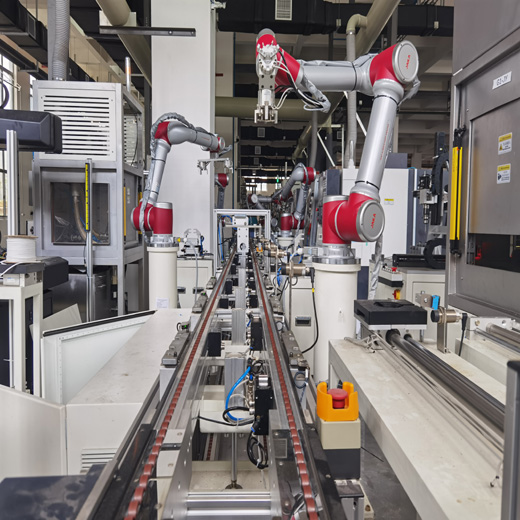
Assembly is where everything comes together—literally. And within assembly, screwing (fastening) is one of the most common, yet often underestimated, processes on the production floor.
Whether you are building industrial equipment, consumer products, or electrical enclosures, how you assemble and fasten components directly impacts quality, safety, throughput, and long-term reliability.
This guide breaks down what, why, how, and when of assembly and screwing—so you can approach it as a controlled, engineered process instead of a manual task.
What Is Assembly & Screwing?
Assembly
Assembly is the process of joining components into a final product or subassembly, which may include:
- Mechanical fastening
- Adhesive bonding
- Press fits
- Welding or joining
Screwing (Fastening)
Screwing is a subset of assembly that involves:
- Inserting and tightening threaded fasteners
- Applying controlled torque
- Ensuring proper clamping force
Common Applications:
- Electrical enclosures
- Consumer products
- Automotive components
- Machinery and equipment build.
Why Assembly & Screwing Matter
1. Product Integrity & Safety
Improper fastening leads to:
- Loose components
- Structural failure
- Safety risks
A single improperly torqued screw can compromise an entire product.
2. Quality Consistency
Manual assembly often introduces:
- Torque variation
- Missed fasteners.
- Cross-threading
3. Throughput & Efficiency
Assembly is often a bottleneck due to:
- Repetitive manual work
- Operator fatigue
- Inconsistent cycle times
4. Traceability & Compliance
Many industries require:
- Documented torque values
- Fastener verification
- Assembly validation
How Assembly & Screwing Are Performed
1. Manual Assembly
Tools include:
- Hand tools
- Electric screwdrivers
Best for:
- Low volume
- High variability
- Complex assemblies
2. Torque-Controlled Tools
Advanced tools provide:
- Preset torque values.
- Error-proofing (Poka-Yoke)
- Data feedback
Best for:
- Quality-critical fastening
- Medium production volumes
3. Automated Screw Feeding Systems
These systems:
- Deliver screws automatically.
- Reduce operator handling.
- Improve cycle time.
4. Cobot-Assisted Assembly
Cobots can:
- Drive screws with precise torque control.
- Ensure repeatable positioning.
- Integrate with vision systems for alignment.
Best for:
- Repetitive assembly tasks
- Consistency and traceability
- Ergonomically difficult applications
When Should You Automate Assembly?
Strong Candidates for Automation:
- High-volume, repetitive assembly
- Tight torque requirements
- Frequent quality issues
- Ergonomic strain on operators
Proceed with Caution:
- Highly complex assemblies with variability
- Frequent design changes
- Poor part tolerances
Not Ideal:
- One-off builds
- Processes requiring constant human adjustment.
Key Factors That Determine Success
1. Torque & Angle Control
Critical to ensure:
- Proper clamping force
- No over-tightening or stripping
2. Fastener Quality
Low-quality fasteners cause:
- Thread damage
- Inconsistent torque results
3. Part Alignment & Fixturing
Misalignment leads to:
- Cross-threading
- Assembly defects
4. Screw Presentation
Systems must ensure:
- Correct screw orientation
- Reliable feeding
Safety Considerations You Cannot Ignore
Common Risks:
- Repetitive strain injuries
- Tool kickback
- Pinch points
- Fatigue-related errors
Engineering Controls:
- Ergonomic workstation design
- Torque-limited tools.
- Guarded coot cells
- Reduced manual handling.
Common Mistakes to Avoid
1. Treating Fastening as “Simple”
Fastening is a controlled engineering process, not just tightening screws.
2. Ignoring Torque Verification
Without verification:
- You do not know if the joint is correct.
3. Poor Fixturing
Inconsistent positioning leads to:
- Defects
- Automation challenges
4. Overlooking Ergonomics
Assembly tasks are often:
- High repetition
- Physically demanding
How Assembly Fits into a Bigger Strategy
Assembly connects directly to:
- Upstream processes (machining, forming)
- Downstream quality inspection
- Product performance and durability
- Customer satisfaction
When optimized, assembly becomes:
- Faster
- More consistent
- Easier to scale.
Final Thoughts: Where Everything Comes Together
Assembly and screwing are where:
- Design becomes reality.
- Quality is locked in.
- Mistakes become costly.
When engineered correctly, they deliver:
- Reliable products
- Repeatable processes
- Scalable production
Thinking About Improving Your Assembly Process?
Start with these questions:
- Where are we seeing fastening errors or rework?
- Are torque values consistent across operators?
- Which tasks are the most repetitive or fatiguing?
- Can automation improve quality and throughput?