
Power Transmission Guards
End Shaft Bearing and Pillow Block Covers
Protect rotating shafts and bearing housings in industrial power-transmission systems.
End Shaft Bearing and Pillow Block Covers enclose exposed pillow block bearings and the rotating shaft passing through them, preventing accidental contact, entanglement, and contamination of the bearing surface. They're molded from rigid plastic and fasten directly to the flange and underlying structure with self-tapping screws or nuts and bolts, requiring hand tools to remove, unlike snap-on caps. A slot can be molded into one side of the cover for an end shaft that protrudes on only one side, or into both sides for a through shaft, and the covers are available in two plastic thicknesses to match the application. Machine Guard & Cover Co. stocks dozens of standard sizes and offers optional shaft extensions for non standard configurations.
Key Features
- Encloses the full pillow block bearing housing and the shaft passing through it, preventing accidental contact with the rotating shaft and keeping contaminants off the bearing surface
- Designed to meet ANSI/ASME B15.1-1994/6, Section 3.2.1, which calls for bearing covers to enclose exposed rotating shafts
- Slotted opening on one side for an end shaft that protrudes on only one side, or on both sides for a through shaft
- Fastens with self-tapping screws or nuts and bolts through the flange and underlying structure, requiring hand tools to remove; snap-on caps can't meet the same standard
- Available in standard 3/16 inch heavyweight plastic or 1/8 inch lightweight plastic to match duty cycle and environment
- Universal fit over the entire bearing housing; modeled after common bearing brands but not brand specific
- Optional shaft extensions (lengths E and E-1) available for non standard shaft protrusion
- Dozens of standard stock sizes available, covering shaft heights from about 2.875 inches to over 15 inches
- Lightweight construction reduces installation and maintenance strain compared to steel covers
- Custom sizing and fabrication available for pillow blocks that don't match a standard part number
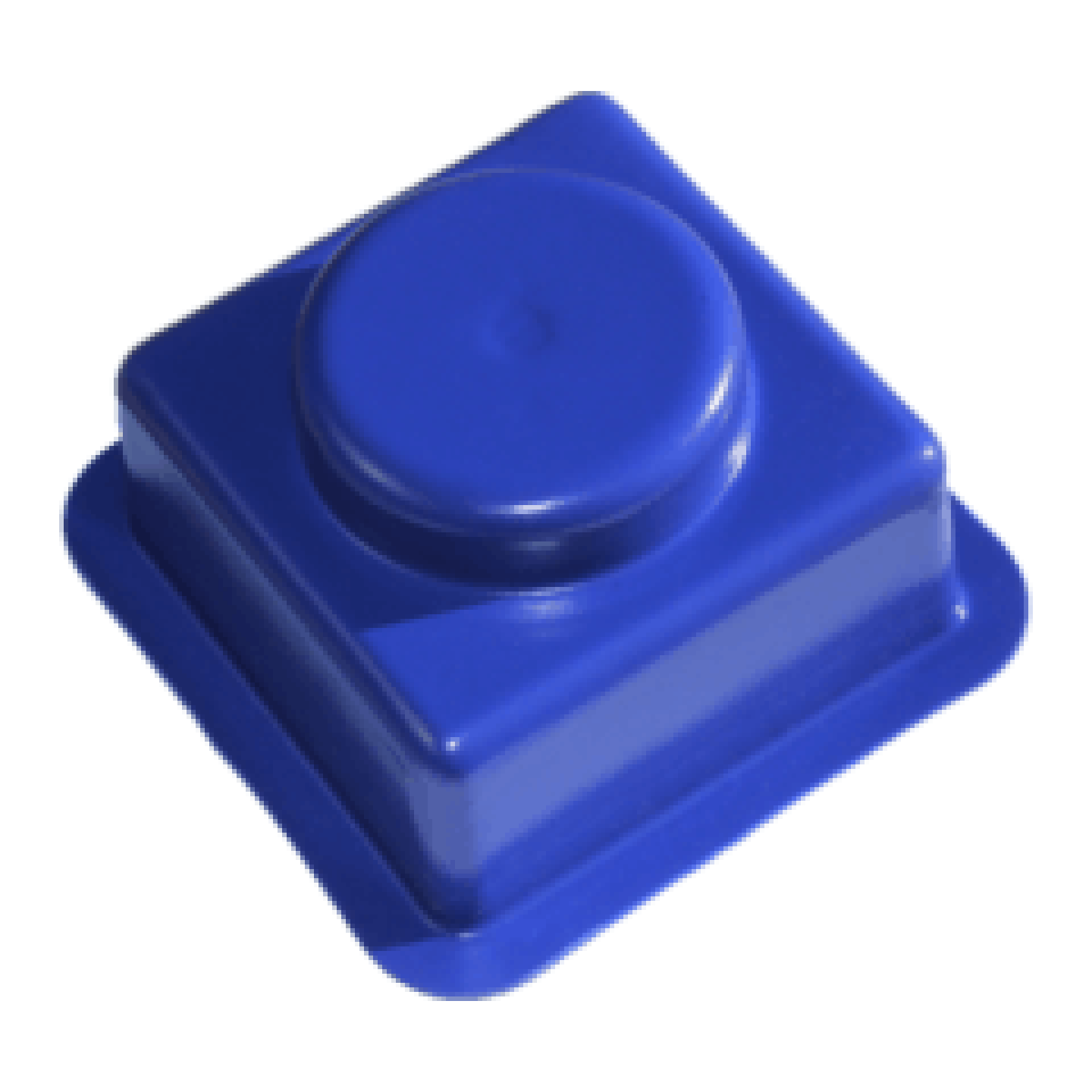
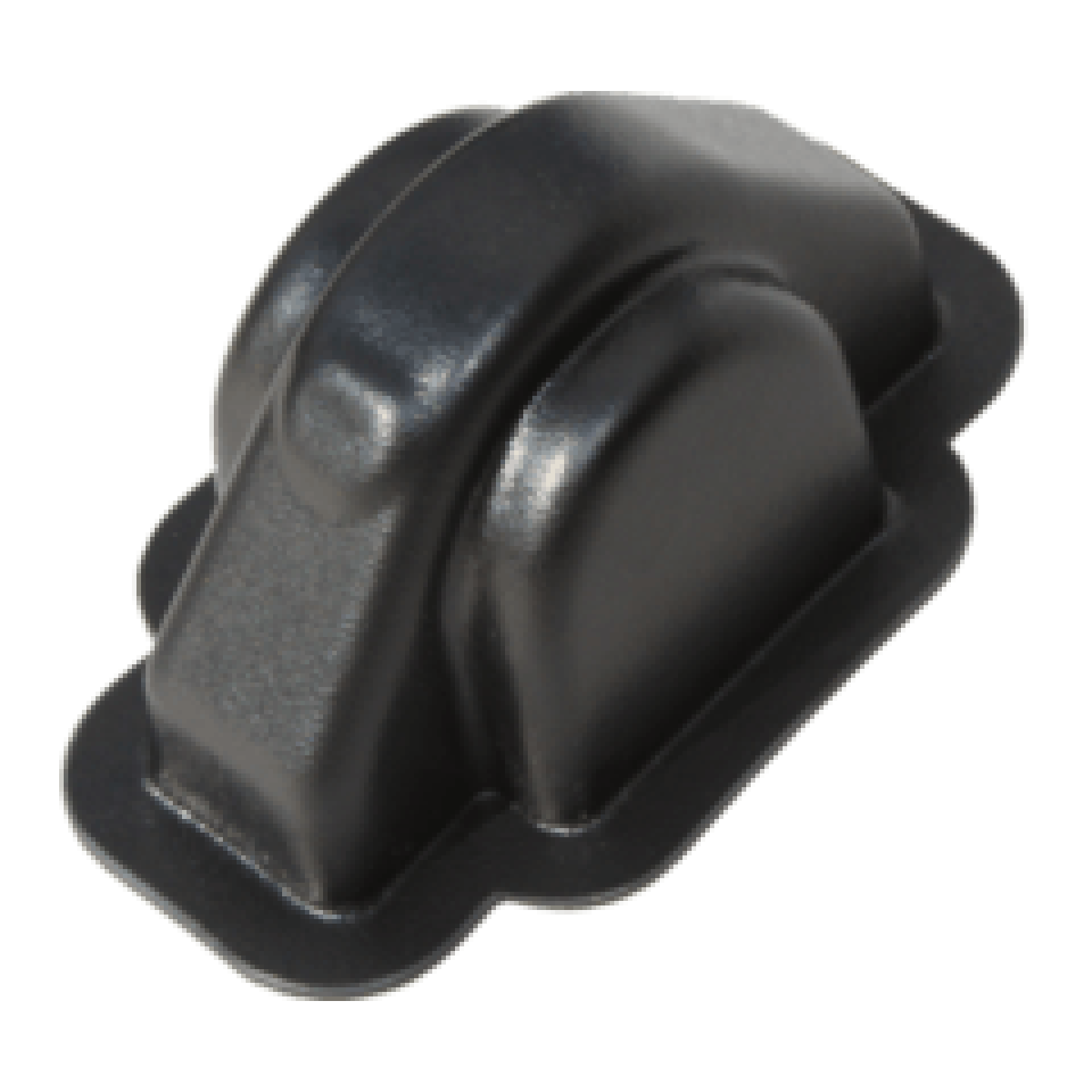

End Shaft Bearing and Pillow Block Covers
Protect rotating shafts and bearing housings in industrial power-transmission systems.
End Shaft Bearing and Pillow Block Covers enclose exposed pillow block bearings and the rotating shaft passing through them, preventing accidental contact, entanglement, and contamination of the bearing surface. They're molded from rigid plastic and fasten directly to the flange and underlying structure with self-tapping screws or nuts and bolts, requiring hand tools to remove, unlike snap-on caps. A slot can be molded into one side of the cover for an end shaft that protrudes on only one side, or into both sides for a through shaft, and the covers are available in two plastic thicknesses to match the application. Machine Guard & Cover Co. stocks dozens of standard sizes and offers optional shaft extensions for non standard configurations.
Key Features
- Encloses the full pillow block bearing housing and the shaft passing through it, preventing accidental contact with the rotating shaft and keeping contaminants off the bearing surface
- Designed to meet ANSI/ASME B15.1-1994/6, Section 3.2.1, which calls for bearing covers to enclose exposed rotating shafts
- Slotted opening on one side for an end shaft that protrudes on only one side, or on both sides for a through shaft
- Fastens with self-tapping screws or nuts and bolts through the flange and underlying structure, requiring hand tools to remove; snap-on caps can't meet the same standard
- Available in standard 3/16 inch heavyweight plastic or 1/8 inch lightweight plastic to match duty cycle and environment
- Universal fit over the entire bearing housing; modeled after common bearing brands but not brand specific
- Optional shaft extensions (lengths E and E-1) available for non standard shaft protrusion
- Dozens of standard stock sizes available, covering shaft heights from about 2.875 inches to over 15 inches
- Lightweight construction reduces installation and maintenance strain compared to steel covers
- Custom sizing and fabrication available for pillow blocks that don't match a standard part number
Assembly / What's Included
- Ships as a single molded plastic shell sized to your pillow block bearing
- Sized per Machine Guard & Cover Co.'s standard sizing chart or built to custom dimensions
Mounting hardware is not included in the base part and should be specified or sourced separately to match your flange and mounting surface.
Configuration Options
- Slot configuration: one side slotted for an end shaft, or both sides slotted for a through shaft
- Material: standard 3/16 inch heavyweight plastic, or 1/8 inch lightweight plastic
- Optional shaft extensions (lengths E and E-1) for non standard shaft protrusion
- Dozens of standard part numbers available by shaft height, width, and length; examples range from PBDSC203H (smallest standard size, 2.875 inch shaft height) up to PBD2236H (largest standard size, 15.5 inch shaft height)
- Custom sizing available for pillow blocks outside the standard chart; submit dimensions using the manufacturer's sizing form
Materials & Construction
- Rigid molded plastic shell, available in 3/16 inch (standard) or 1/8 inch (lightweight) thickness
- Slotted shaft openings, one or both sides depending on configuration
- Mounting via drilled holes in the flange and underlying structure
Applicable Safety Standards
- ANSI/ASME B.15-1994/6, Section 3.2.1
Cover Doesn't Fit the Bearing Housing
Gaps around the housing, cover doesn't seat, or won't close over the pillow block
- Recheck the pillow block's shaft height, width, and length against Machine Guard's sizing chart before ordering a replacement
- Confirm the correct part number was ordered for your specific pillow block style (standard, Plummer style, or take up)
- For bearings that fall outside the standard size range, request a custom sized cover rather than forcing a mismatched standard part
- Verify the cover hasn't warped or been damaged in shipping or storage before installation
Shaft Slot Doesn't Align / Shaft Contacts the Cover
Shaft rubs, binds, or doesn't clear the slotted opening
- Confirm the correct slot configuration was ordered: one side slotted for an end shaft, both sides for a through shaft
- Check whether the shaft protrudes further than the standard cover depth; request the optional shaft extension (lengths E and E-1) if so
- Verify the cover is centered on the bearing before final mounting; misalignment during installation can cause the shaft to contact the slot edge
Mounting Hardware Issues
Cover won't stay fastened, or hardware backs out over time
- Confirm mounting holes were drilled through both the flange and the underlying structure, not just the flange
- Use self-tapping screws or nuts and bolts as recommended; avoid substituting quick release fasteners, which don't meet the hand tool removal requirement of ANSI/ASME B15.1
- Check for vibration related loosening at regular intervals and re-torque as needed
- Inspect the mounting holes for wear or elongation if the cover has been removed and reinstalled multiple times for maintenance
Cover Interferes with Bearing Maintenance or Lubrication Access
Can't reach grease fitting or inspect bearing without full cover removal
- Confirm the correct part number was selected; standard covers have clearance for grease fittings
- If frequent access is needed, consider whether a different configuration would reduce how often the full cover needs to come off
- Always remove the cover fully for maintenance rather than forcing tools through the slot opening
Material & Environmental Wear
Cracking, discoloration, or brittleness over time
- Confirm the correct plastic thickness was selected for the environment; the standard 3/16 inch heavyweight plastic holds up better than the 1/8 inch lightweight option in higher impact or outdoor settings
- Inspect for UV exposure related brittleness if the cover is mounted outdoors or near direct sunlight for extended periods
- Replace any cover showing cracks or stress marks rather than continuing to use a compromised guard
Preventive Maintenance
To keep these covers performing reliably:
- Inspect mounting hardware for looseness at regular intervals, especially on equipment subject to vibration
- Check the shaft slot area for contact wear or rubbing
- Clean covers periodically to maintain visibility of the bearing housing beneath, where applicable
- Replace any cracked, warped, or otherwise damaged cover promptly rather than reinstalling it
Fault Tracking & Continuous Improvement
- Log any cover replacement, hardware issue, or fitment problem, including the machine and bearing location
- Look for recurring patterns, such as repeated mounting hardware loosening tied to a specific piece of equipment's vibration levels
- Use this history to standardize on the correct part number and hardware for each bearing location across your facility