
Custom Machine Guarding
Machine Guards (Point Guarding)
Point-of-operation guarding to shield operators from direct contact with hazardous components.
Point guarding protects the operator at the point of operation: the cutter, the spindle, the pinch point, the die, the die space, anywhere the work actually happens and where a perimeter fence can't reach. PowerSafe designs and fabricates these guards to the specific machine because the hazard, the operator's approach, and the access the job requires are different on every piece of equipment. The method is selected from the risk assessment and is built to maintain production access rather than work around it.
Key Features
- Performance level matched to the assessed risk, up to PLe / Category 4 / SIL 3 where required
- Engineered to the existing machine without reduction in working capacity, table area, or tooling clearance
- Designed around the operator's actual loading, manipulation, and part-removal motion
- Tool change, setup, and scheduled service access maintained without defeating the safeguard
- Integrated to the machine's stop circuit, with manual reset required after any trip
- Cycle start and emergency stop relocated or duplicated where existing controls sit inside the safeguarded area
- Visibility to the cut or process maintained where the operation requires it
- Retrofit capability for legacy equipment supplied without OEM point-of-operation guarding
- Built to OSHA 29 CFR 1910.212 and the applicable ANSI B11 safeguarding requirements
- Installed and validated on site, with documentation supplied for your machine safety file
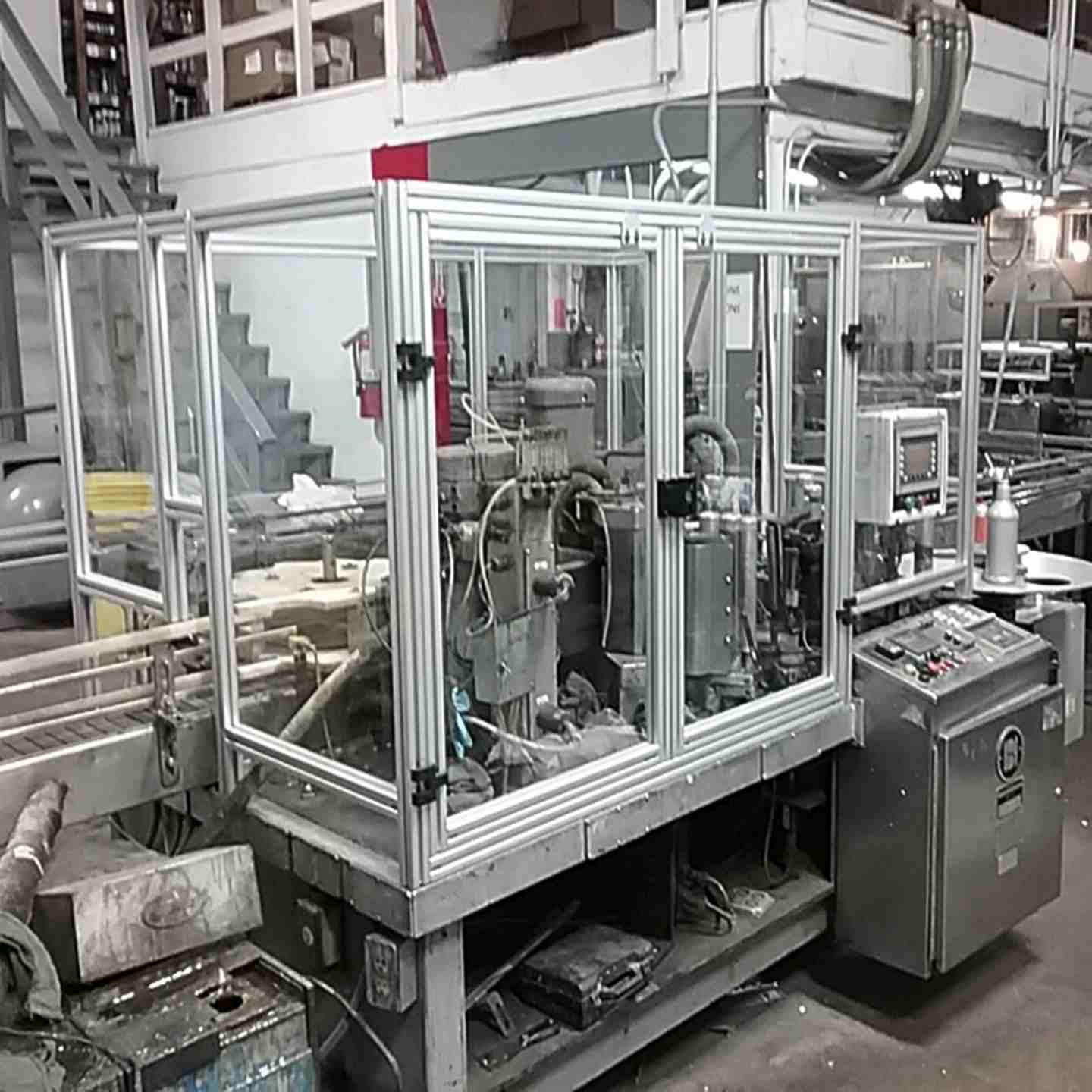
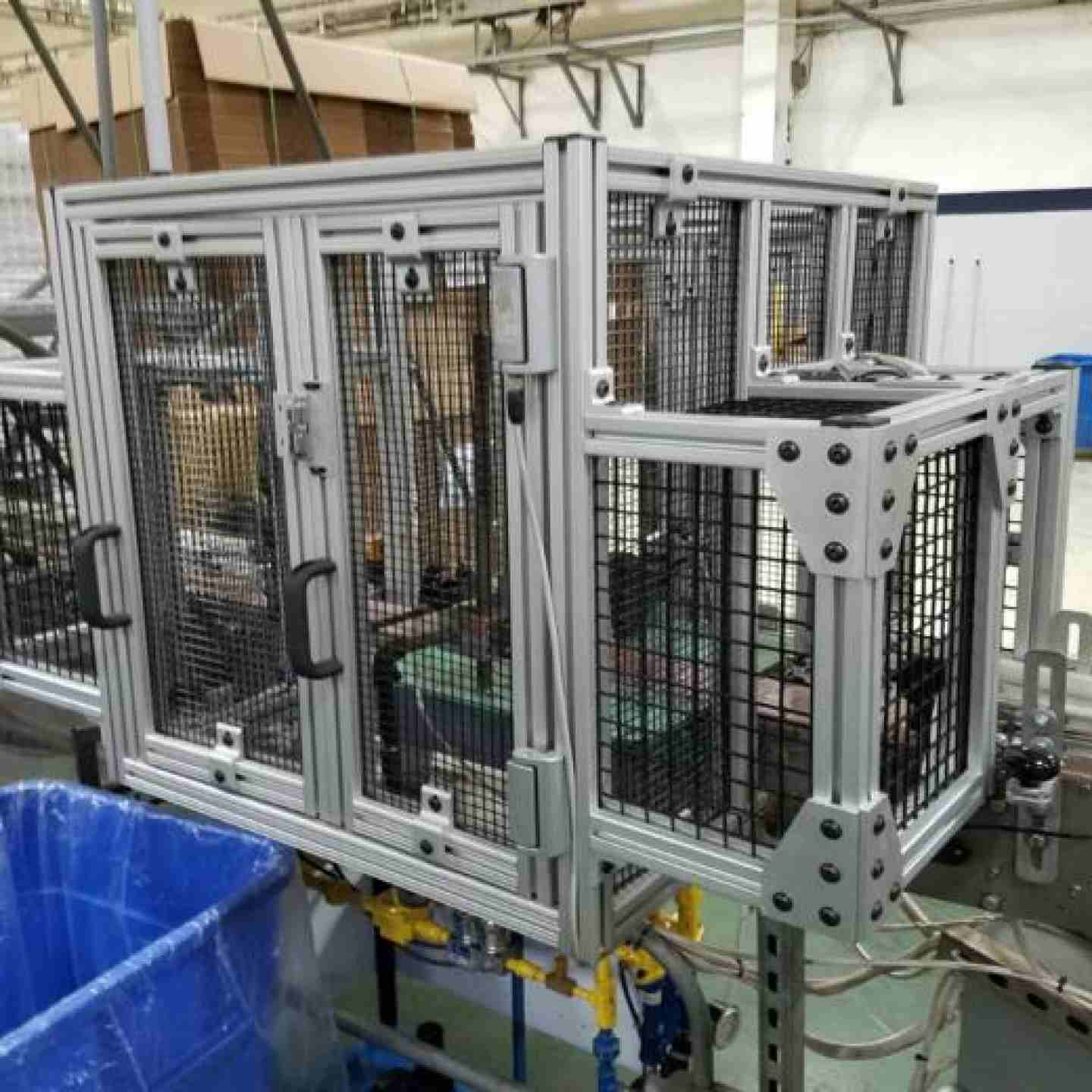
Machine Guards (Point Guarding)
Point-of-operation guarding to shield operators from direct contact with hazardous components.
Point guarding protects the operator at the point of operation: the cutter, the spindle, the pinch point, the die, the die space, anywhere the work actually happens and where a perimeter fence can't reach. PowerSafe designs and fabricates these guards to the specific machine because the hazard, the operator's approach, and the access the job requires are different on every piece of equipment. The method is selected from the risk assessment and is built to maintain production access rather than work around it.
Key Features
- Performance level matched to the assessed risk, up to PLe / Category 4 / SIL 3 where required
- Engineered to the existing machine without reduction in working capacity, table area, or tooling clearance
- Designed around the operator's actual loading, manipulation, and part-removal motion
- Tool change, setup, and scheduled service access maintained without defeating the safeguard
- Integrated to the machine's stop circuit, with manual reset required after any trip
- Cycle start and emergency stop relocated or duplicated where existing controls sit inside the safeguarded area
- Visibility to the cut or process maintained where the operation requires it
- Retrofit capability for legacy equipment supplied without OEM point-of-operation guarding
- Built to OSHA 29 CFR 1910.212 and the applicable ANSI B11 safeguarding requirements
- Installed and validated on site, with documentation supplied for your machine safety file
Assembly
- Custom-fit point guard panel(s).
- Mounting hardware/brackets.
- Installation guide and recommended safety distances.
Common uses
- Pinch points, cutter heads, rotating spindles, belt returns, sharp tooling access areas.
- Retrofitting older machines lacking OEM point guarding.