Integrated Machine Safety Controls
Bring Functional Safety
to Legacy Machines
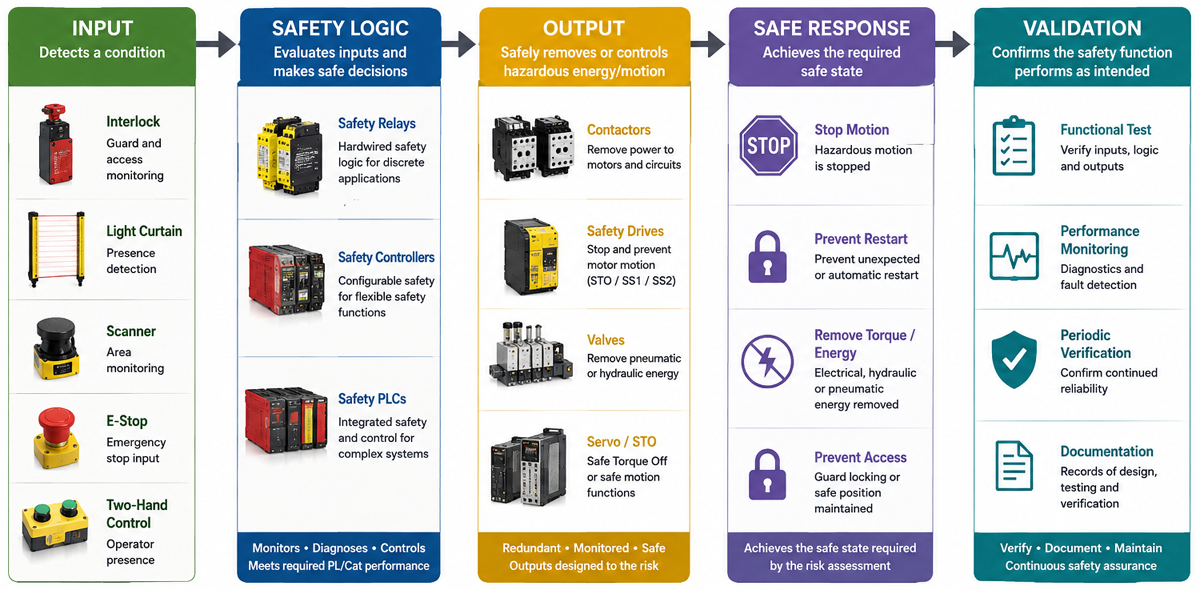
PowerSafe integrates machine guarding, safety-rated devices, fluid power and machine controls into engineered safety systems. From interlocks and presence-sensing devices to safety relays, safety PLCs and monitored outputs, we design around the safety functions and control reliability required for the application.
From Safety Device to Safety Function
A safety device is only one part of the safety system. PowerSafe evaluates how the input device, safety logic, output devices and machine stopping function work together to provide the required risk reduction.
Input → Logic → Output → Safe Machine Response
For example:
Guard Interlock → Safety Controller → Redundant Contactors → Hazardous Motion Stops
When required by the risk assessment, our controls engineers can evaluate circuit architecture, control reliability, Category and Performance Level requirements as part of the functional safety design.
Watch a pre-recorded webinar on Control Reliability for Functional Safety
Safety Logic & Monitoring Devices
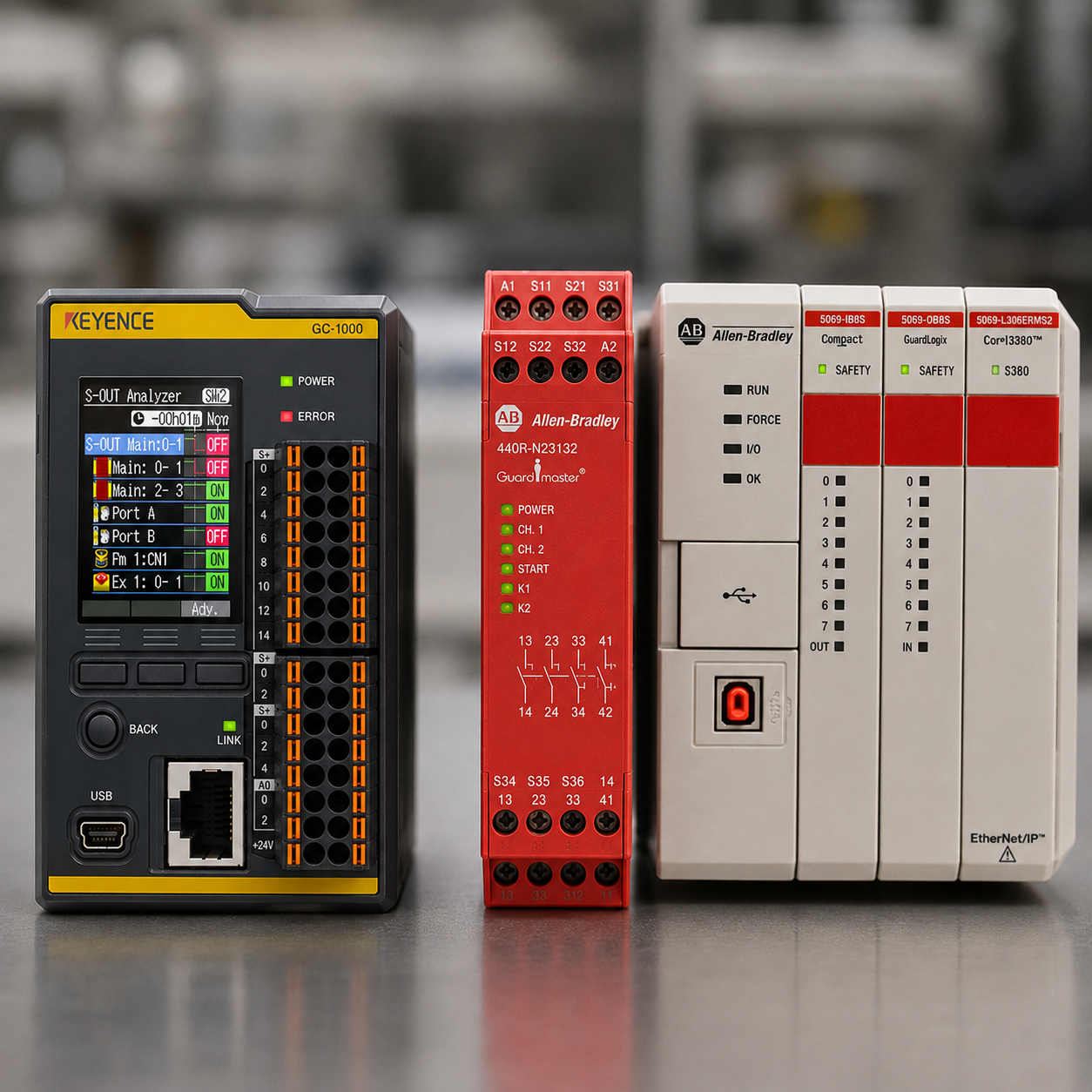
PowerSafe Automation integrates safety relays, safety controllers, and safety PLCs to monitor safety inputs, execute safety logic, and control machine safety functions. These technologies help create reliable functional safety systems that connect safeguarding devices with machine controls and outputs to achieve the intended safe machine response.

Intrinsic or HazLoc Safety Systems
Safety systems designed and rated for Class 1, DIV 1 or DIV 2 explosive environments. These systems protect workers and equipment by preventing electrical sparks and ignition sources in explosive environments.
Zero-Speed Detection Safety System
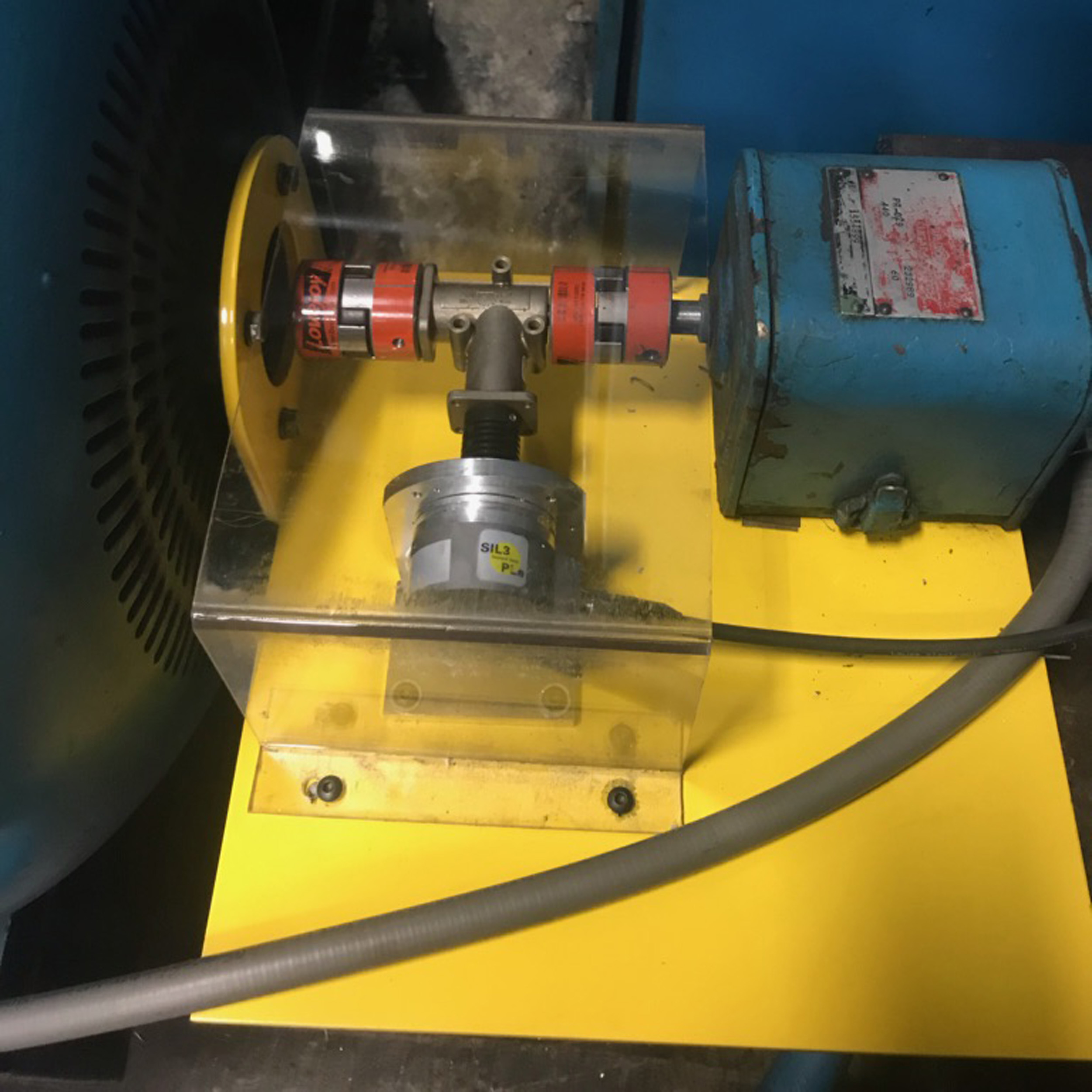
Zero-speed monitoring can become part of an engineered safety function by monitoring hazardous motion and communicating a verified safe-stop condition to the machine safety control system before access is permitted.
These systems prevent accidents by ensuring machinery has reached a safe, motionless state.
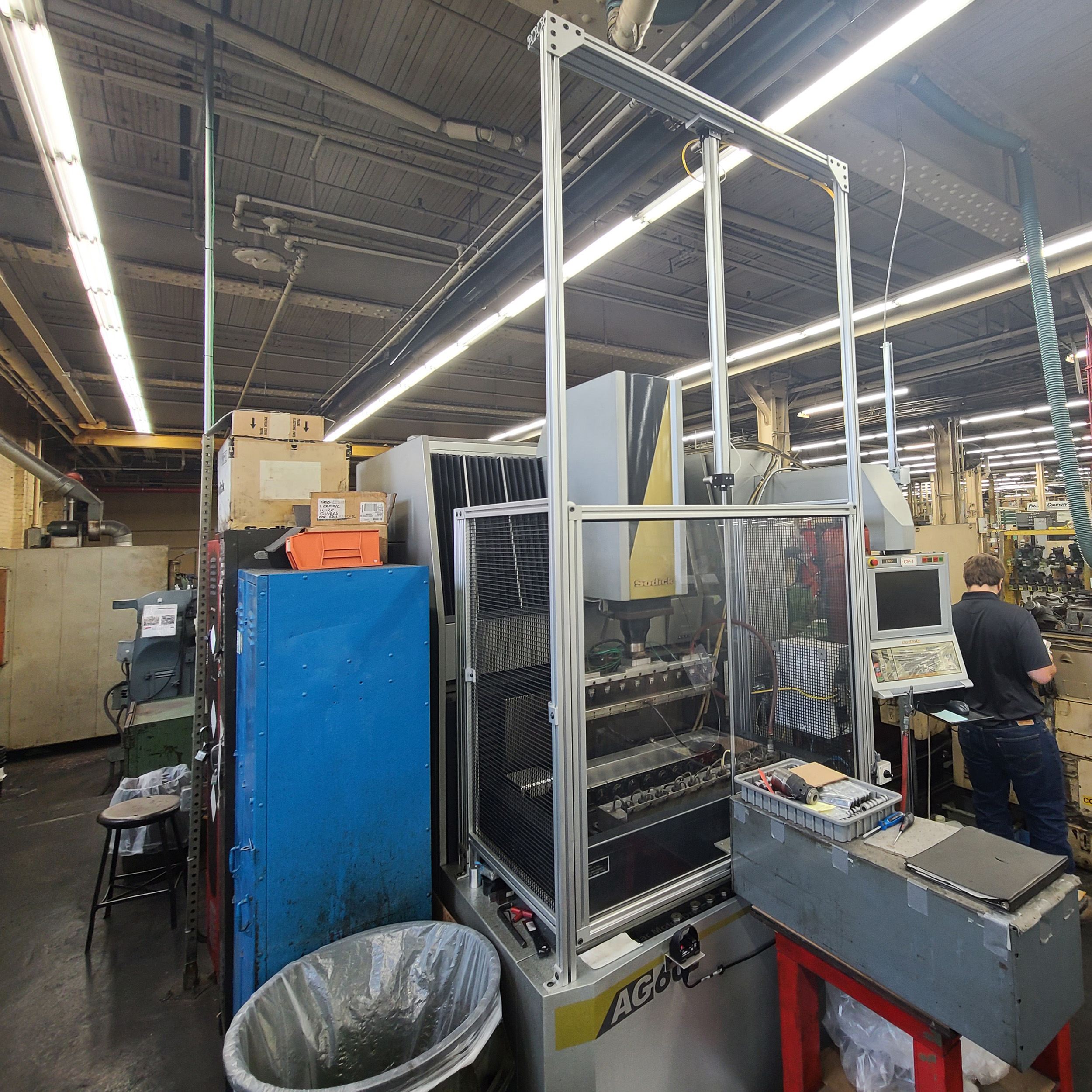
Vertical Safety Doors
Safety doors can be integrated with interlocks, guard locking, safety controllers and monitored outputs to create a coordinated safety function based on machine stopping time and access requirements.
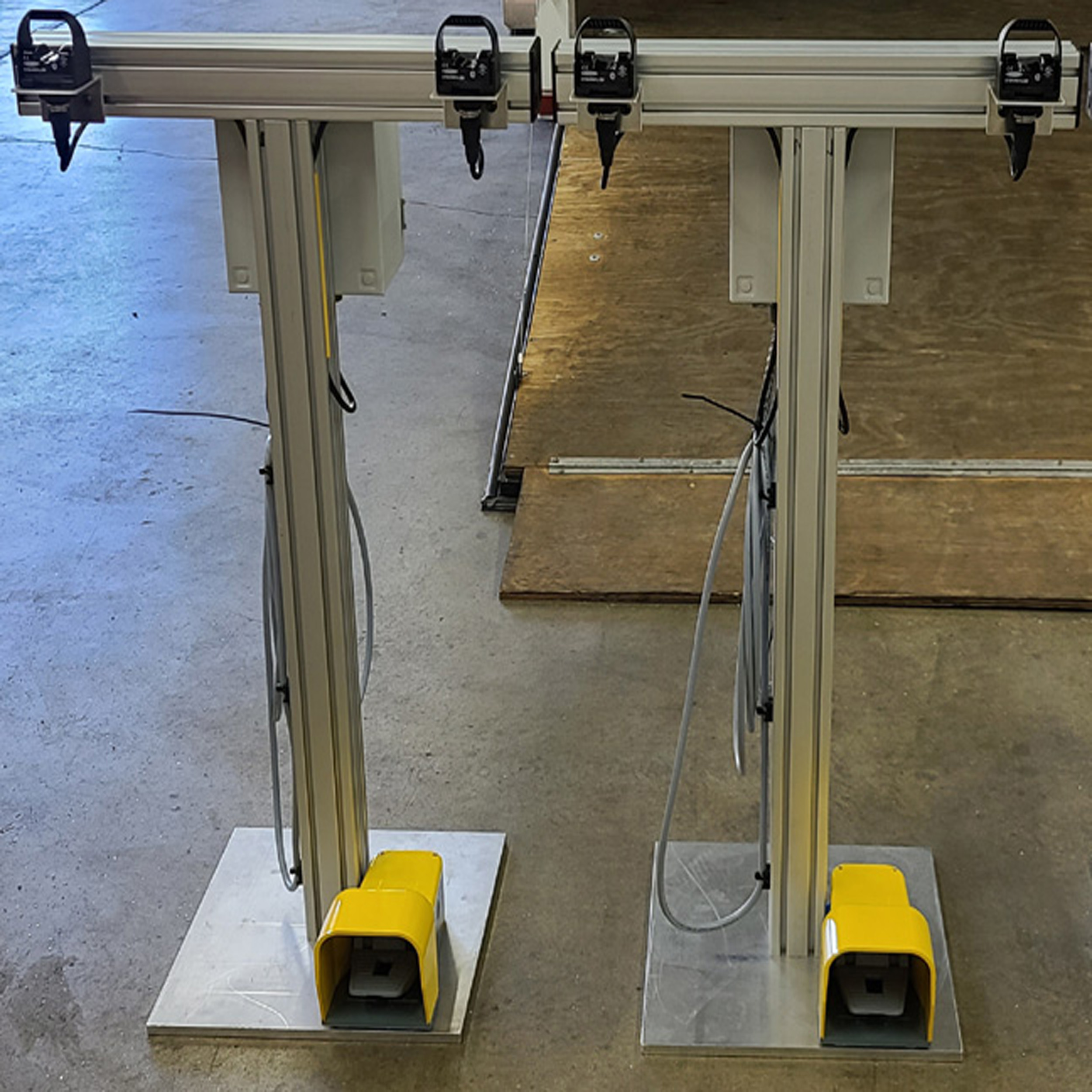
Two-Hand Safety Controls
Two-hand control systems can incorporate anti-tie-down, anti-repeat, monitored safety logic and appropriate machine stopping functions based on the application and risk assessment.
Available with custom spacing, height adjustments, and mounting options.
Fluid Power Safety Systems
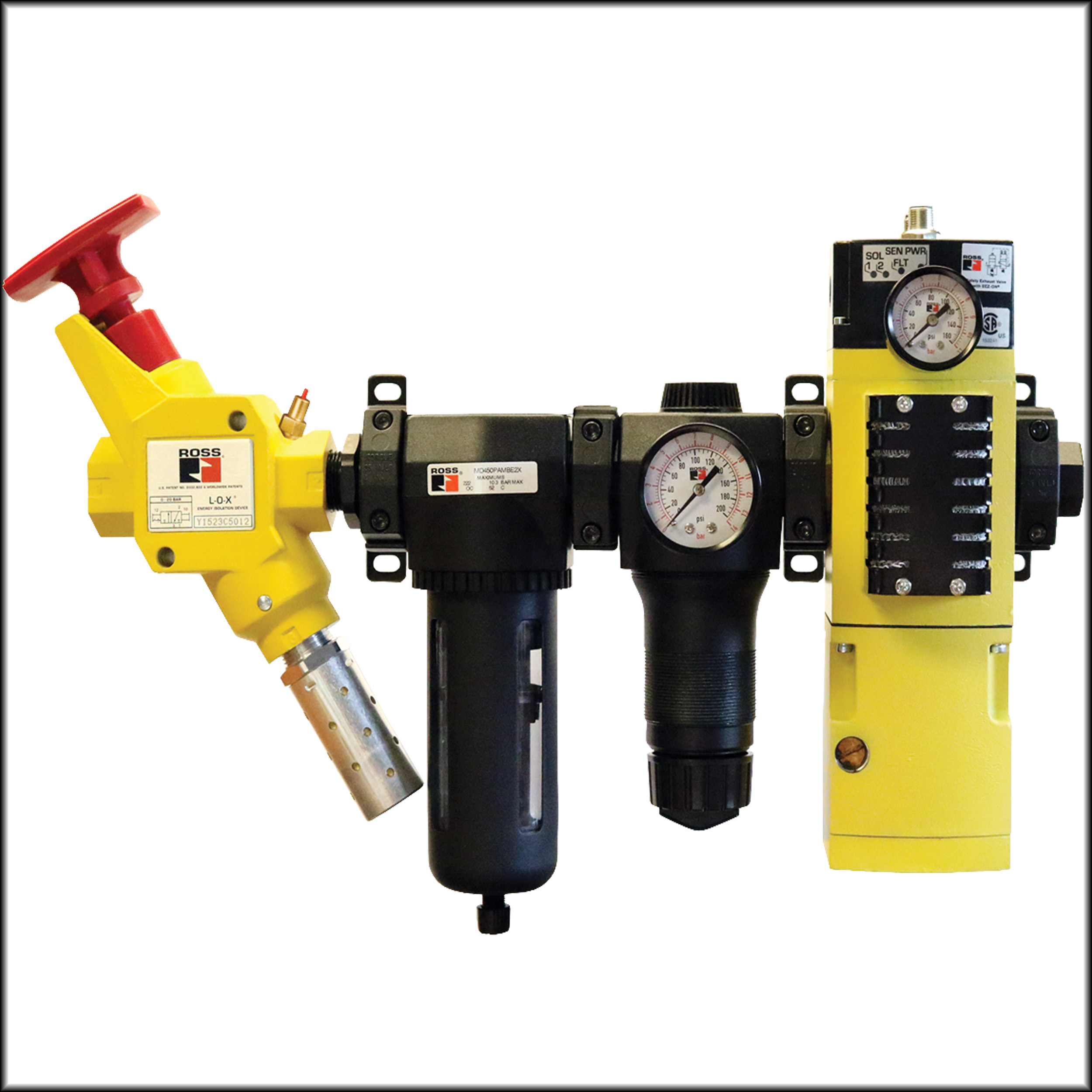
Pneumatic Safety Controls
Pneumatic safety controls protect operators by safely managing stored energy from compressed air systems and preventing unexpected machine motion during maintenance or operation.
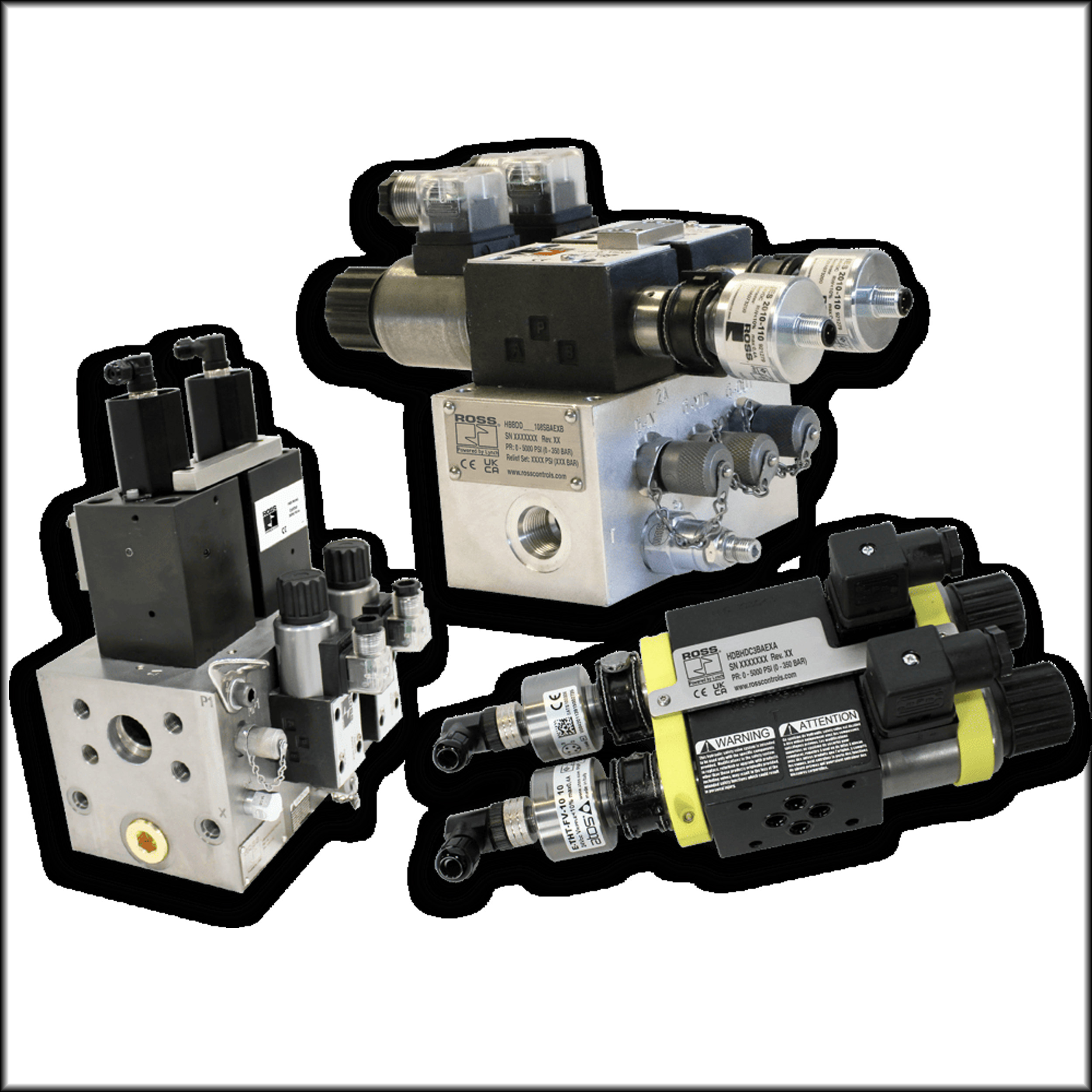
Hydraulic Safety Controls
Hydraulic safety controls safeguard operators by regulating stored energy in pressurized systems, preventing system failures and unsafe motion that could cause injury.
Emergency Stop Devices
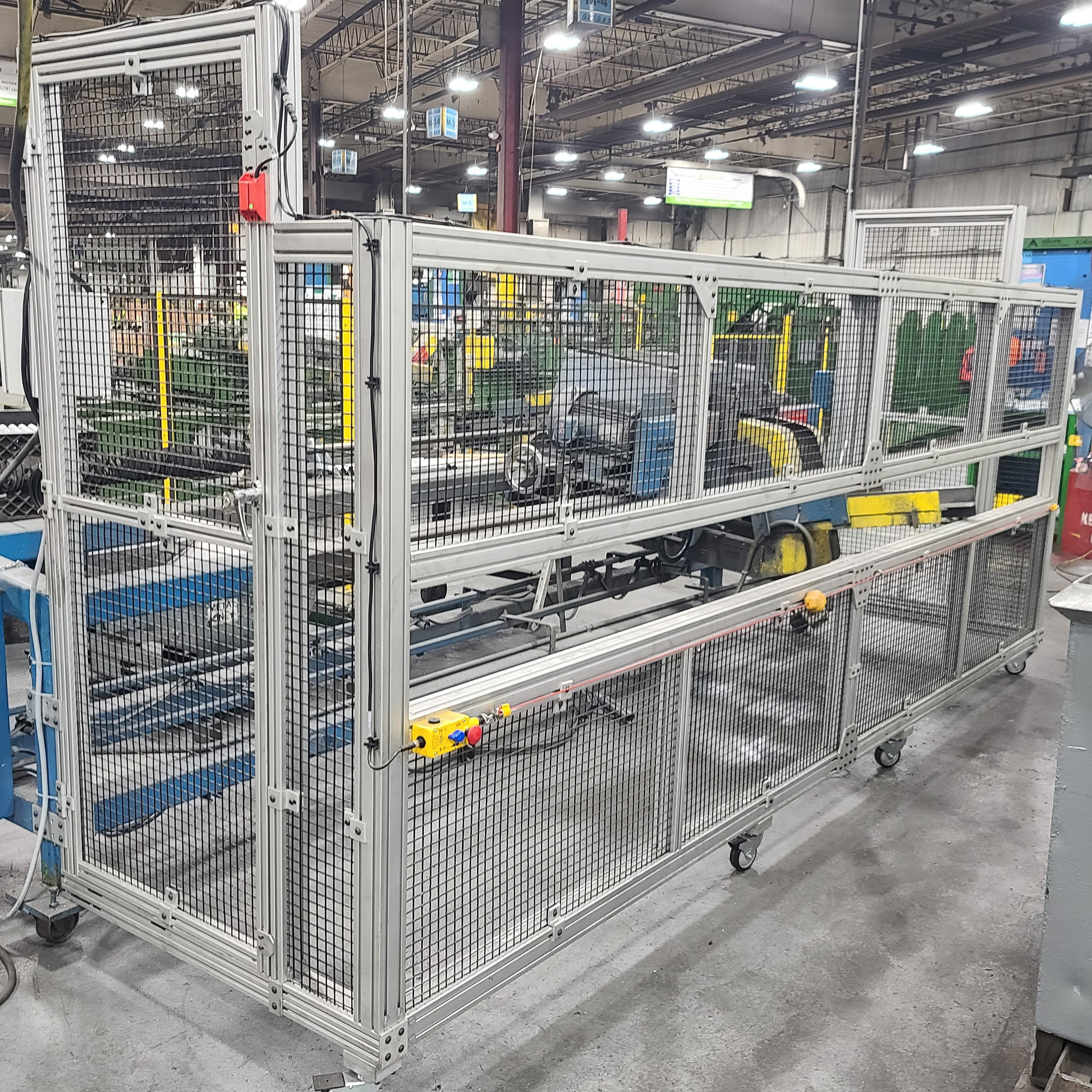
Pushbutton and Pull Cords
Emergency stop devices provide a manually initiated means to stop hazardous machine functions during an emergency. E-stop pushbuttons and rope-pull devices can be integrated into monitored safety circuits using appropriate safety relays, safety controllers and machine stopping architecture.
Emergency stopping does not replace required energy-isolation procedures for servicing and maintenance.
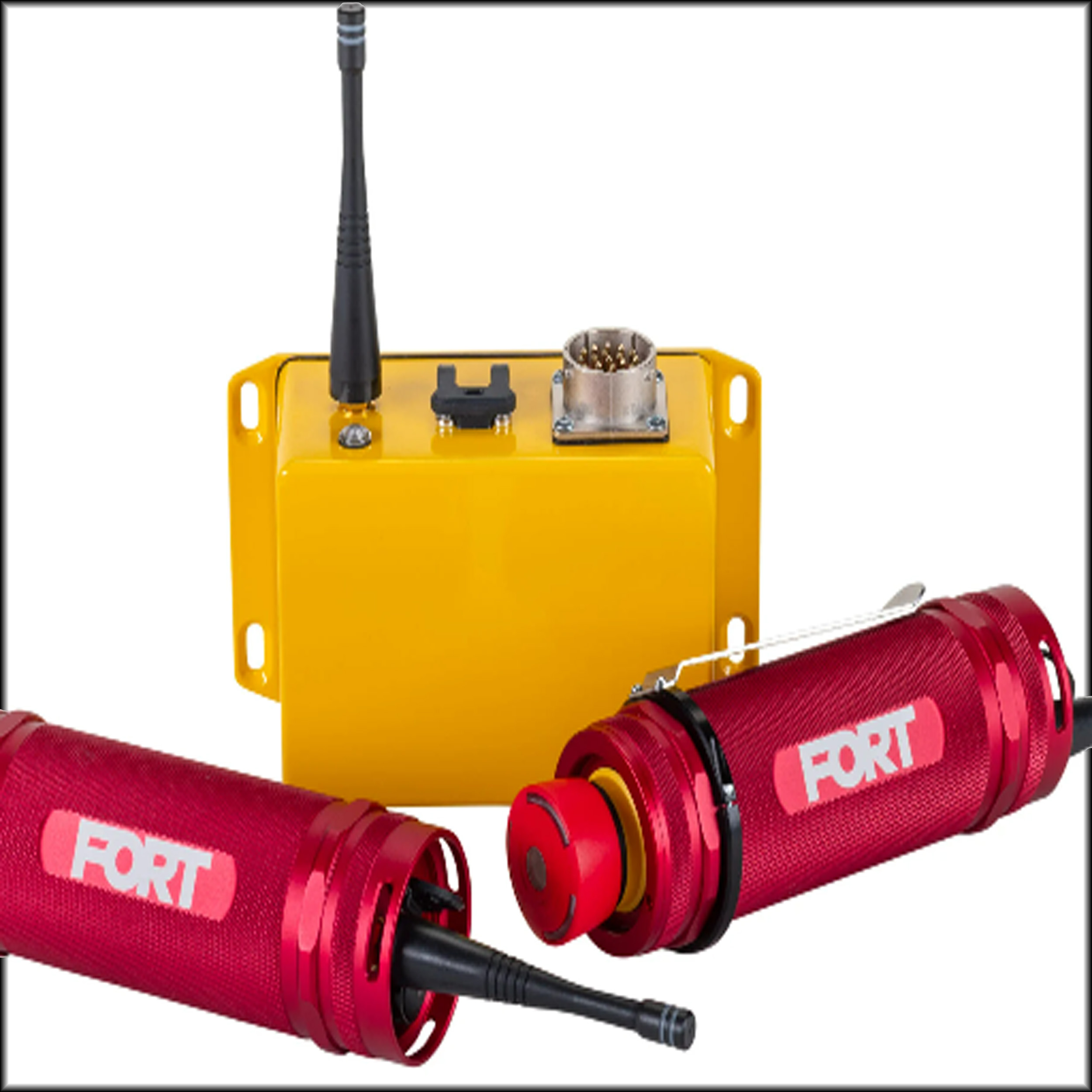
Wireless E-Stop Controls
Wireless emergency stop devices provide mobile shutdown capability that moves with operators throughout the work area, ensuring immediate machine shutdown access for operator protection regardless of location.
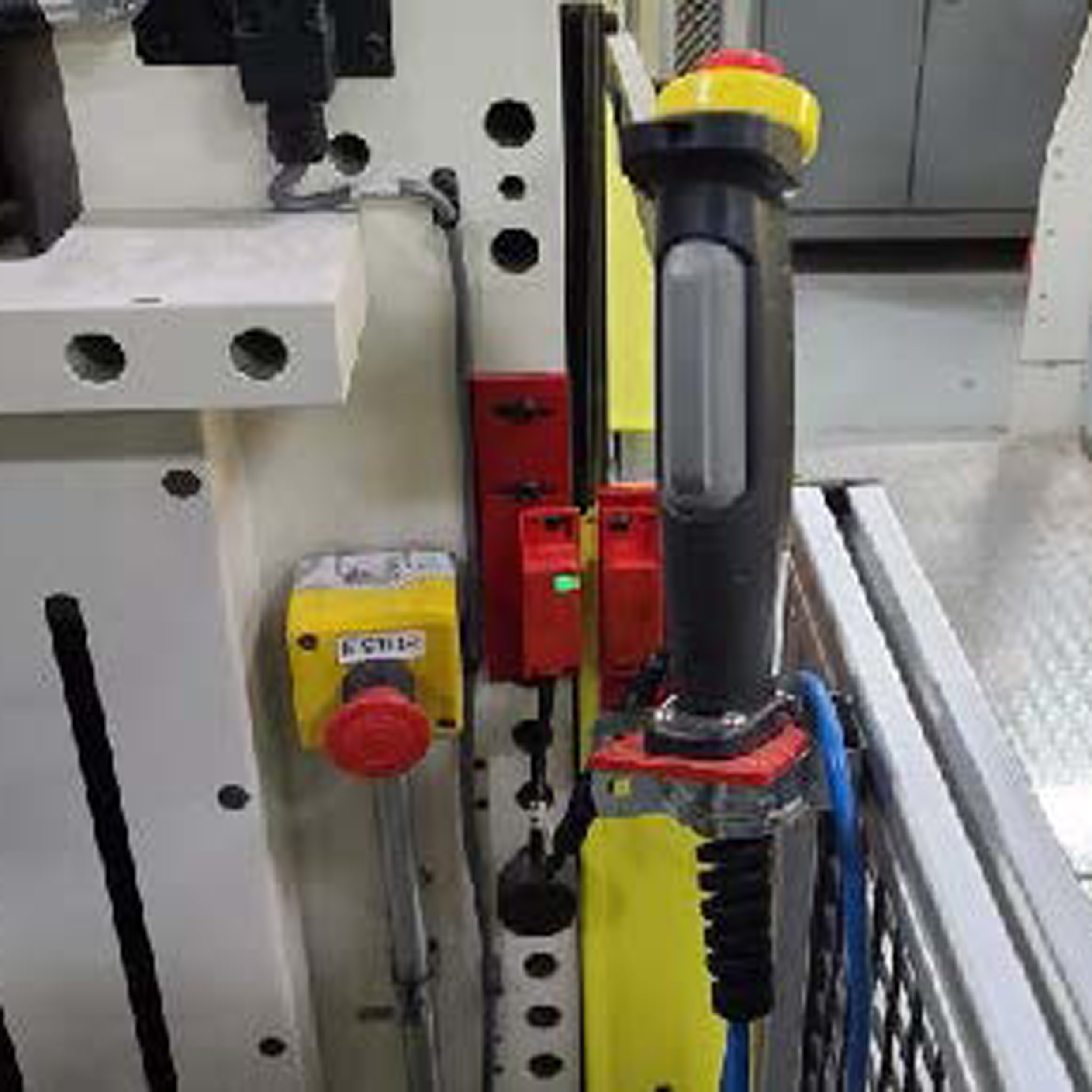
Grip Enabling Switch
Grip enabling switches, also known as deadman or liveman switches, combine engineered solutions and admin controls to keep operators safe during maintenance or setup operations by automatically stopping machines when released or improperly held, ensuring continuous operator control.
CNC Machine Risk Reduction Devices
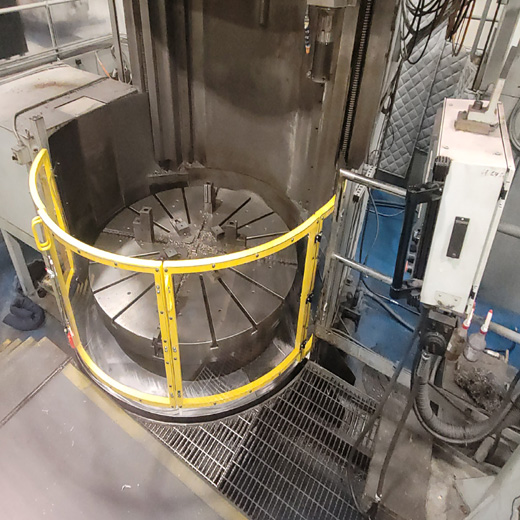
Vertical Turret Lathe Guarding
Custom-designed guards protect operators by containing rotating hazards, flying chips, and coolant spray while maintaining clear visibility for safe operation.
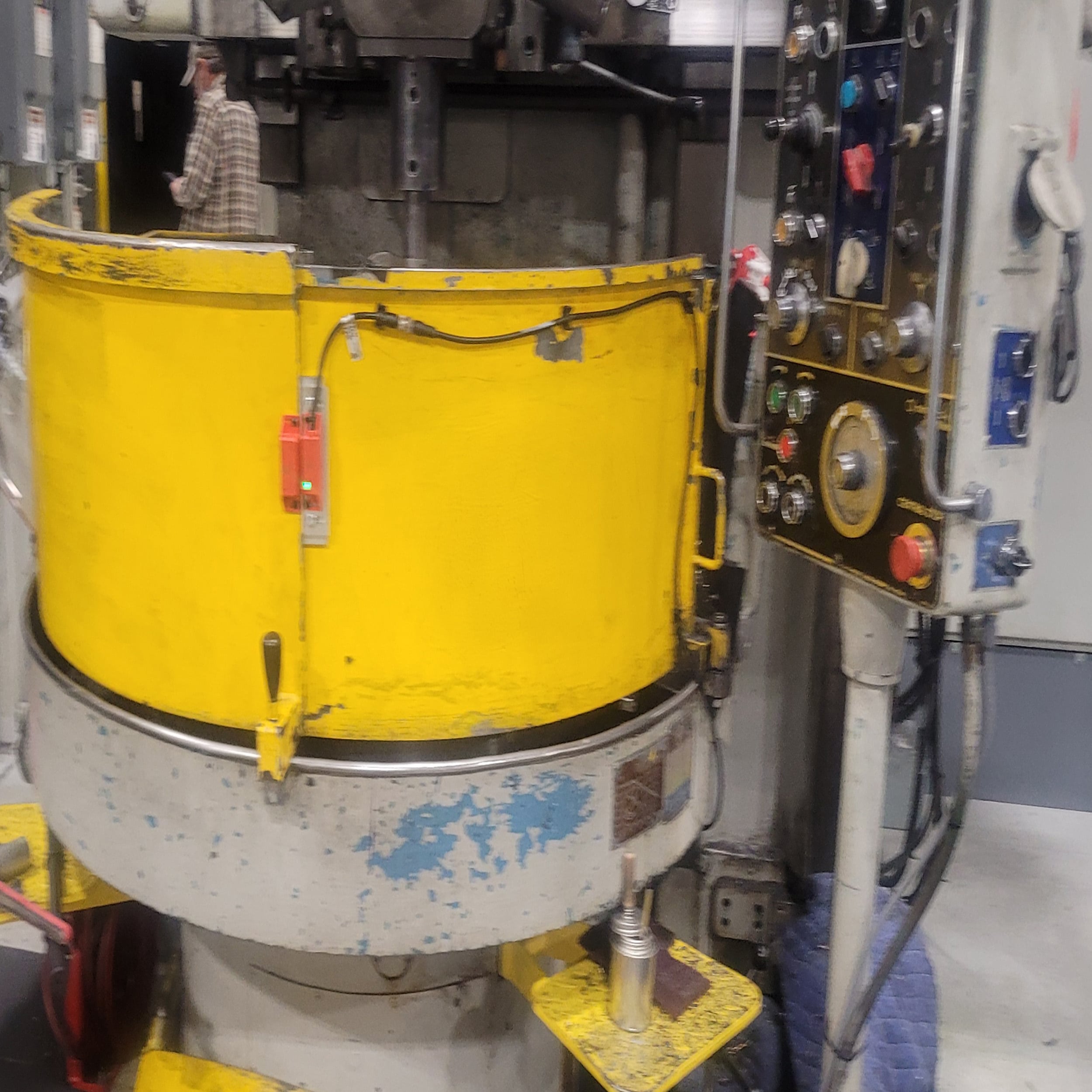
CNC Machine Safety Switch Retrofits
Safety switch upgrades require a professional assessment to review your machine controls and determine feasibility. E-stop buttons alone do not provide adequate operator protection under OSHA standards.
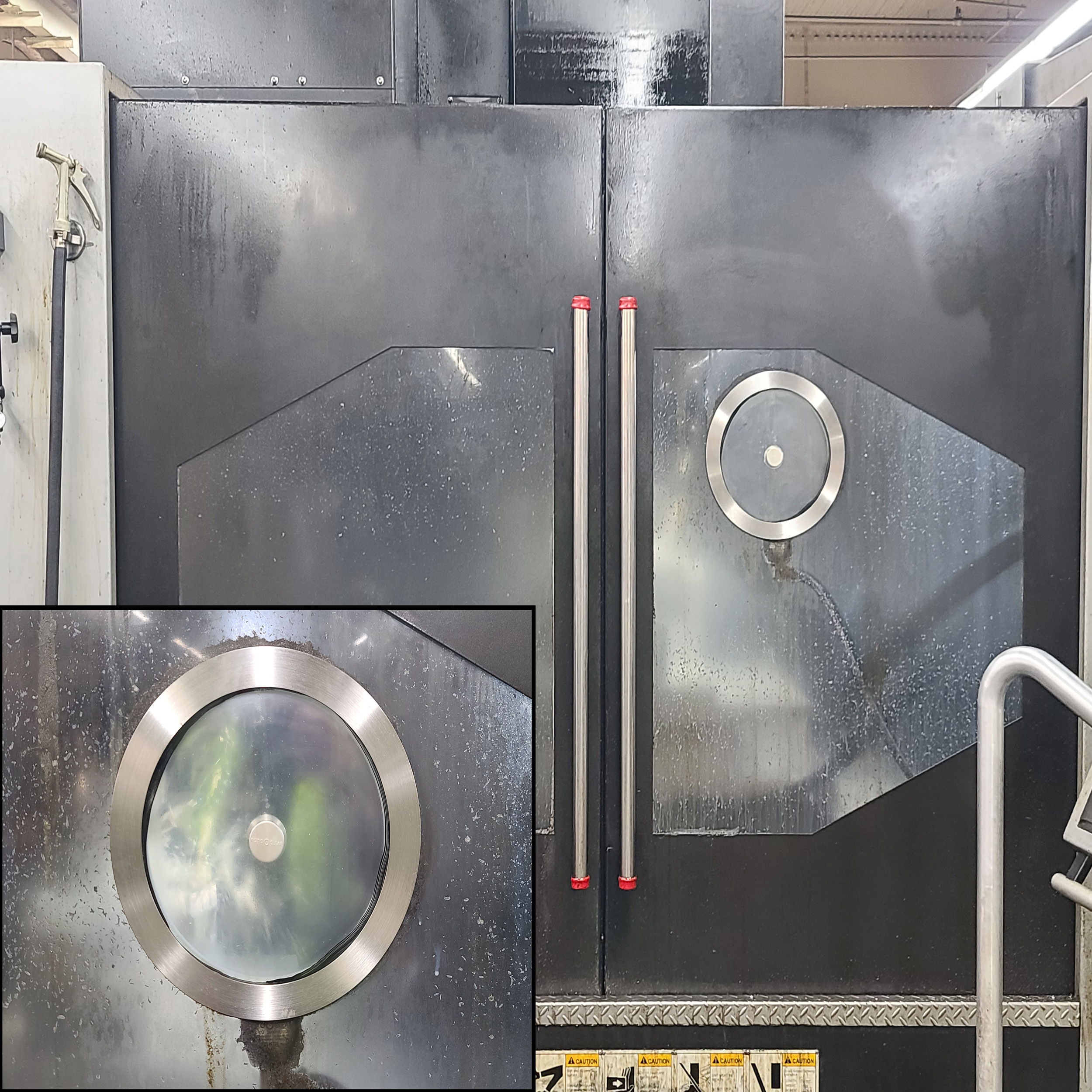
CNC Viewing Window
CNC spin windows and clear screens enhance operator safety by providing unobstructed machine viewing without opening guard doors. These solutions contain chips, coolant, and debris while maintaining full visibility of your machining process.
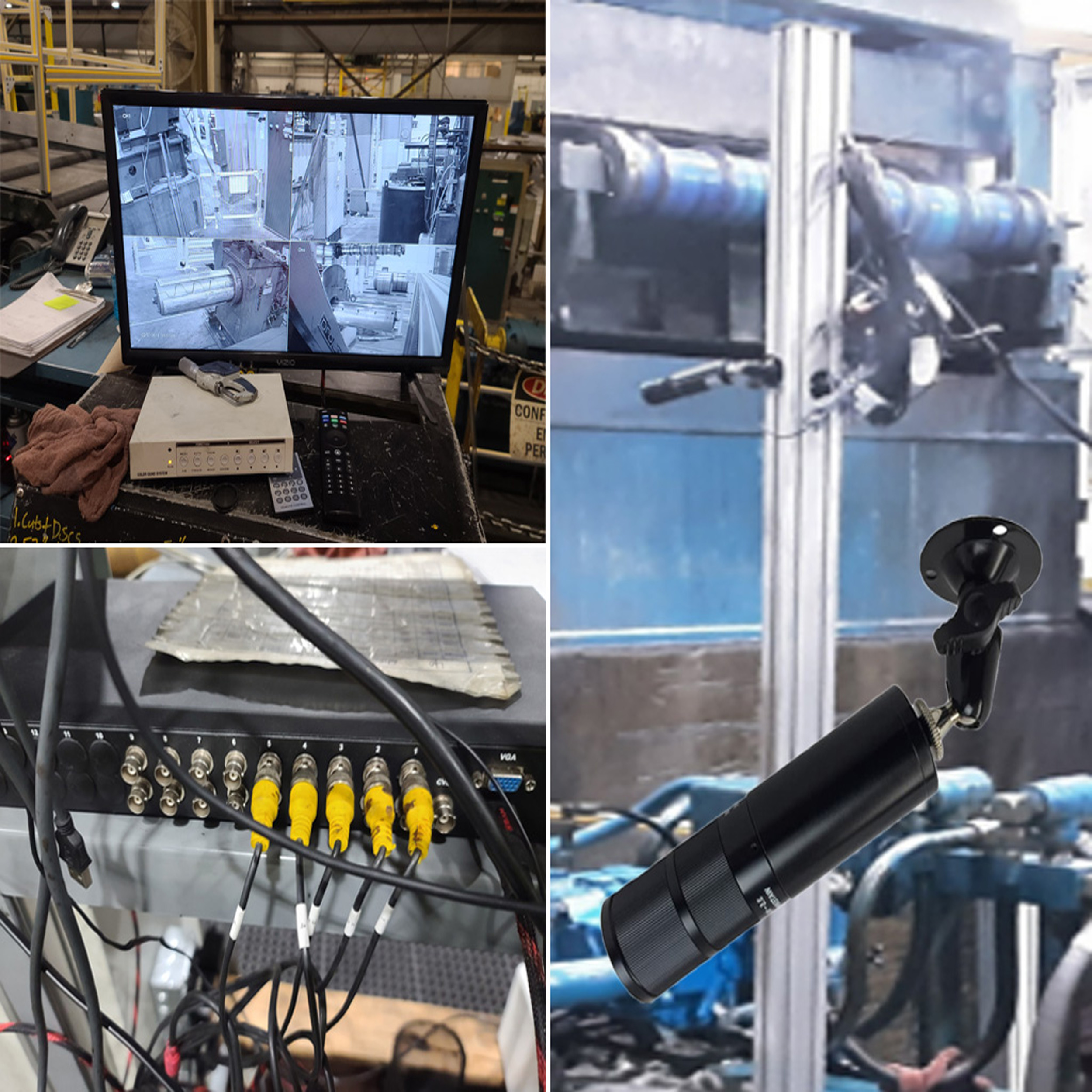
Camera Monitoring System
Camera monitoring systems are non-safety-rated solutions and do not replace safety-rated devices required for personnel protection.
Not sure what level of safety control your machine requires?
Contact us to discuss Functional Safety needs
Risk Assessment → Safety Function → Control Architecture → Integration → Validation